
Clear Aligners vs. Braces: Which Option Is Right for You?
Blog:Clear Aligners vs. Braces: Which Option Is Right for You?
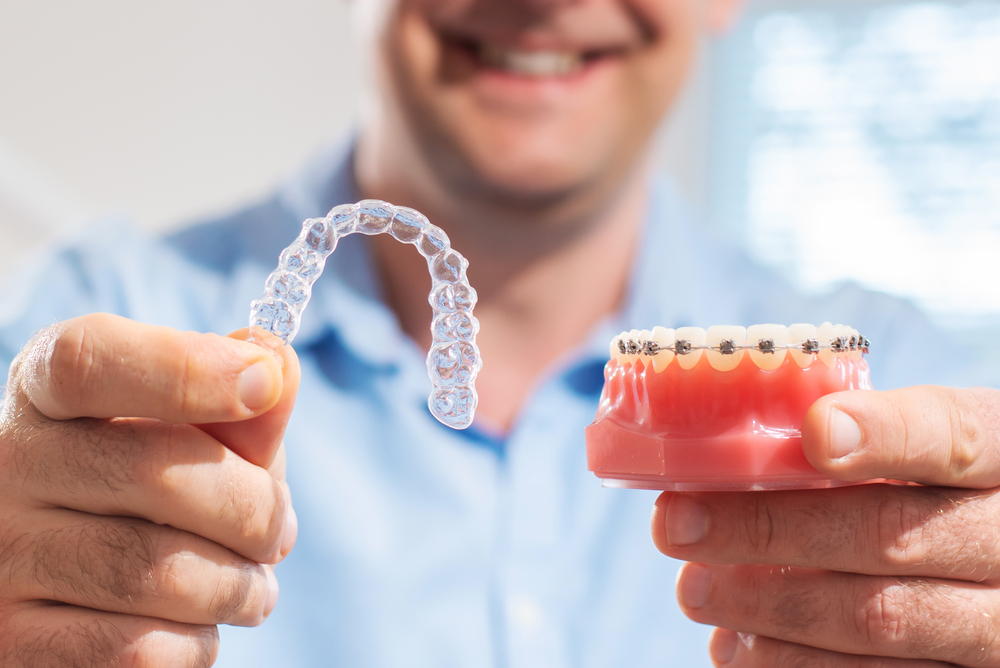
If you want a straighter smile, clear aligners and braces are two of the most common orthodontic treatment options. Both are designed to correct misalignment, bite issues, and spacing concerns, but they work in different ways. Clear aligners use a series of removable trays, while braces use brackets and wires to guide tooth movement over time. Maria Lobodzinski DDS offers orthodontic care and clear ortho aligners in Pasadena, making both appearance and function important parts of treatment planning.
Why Clear Aligners Appeal to Many Adults and Teens
Clear aligners are popular because they are discreet and removable. That means you can take them out for meals, brushing, and flossing. For patients who want a less noticeable option for orthodontic treatment, clear aligners can fit easily into daily life. They are often a strong choice for mild to moderate crowding, spacing, and certain bite concerns. Maria Lobodzinski DDS also features clear aligners as one of the practice’s services in Pasadena.
When Braces May Be the Better Choice
Traditional braces can be a better option for more complex orthodontic cases. Because braces stay attached to the teeth, they offer continuous control and do not rely on the patient remembering to wear them. This can make them especially helpful for significant tooth movement, more advanced bite correction, or younger patients who may have trouble keeping up with removable trays. In many cases, braces remain one of the most effective ways to handle complicated alignment issues.
Lifestyle Factors That Can Affect Your Decision
The right option often depends on your routine, preferences, and treatment goals. Clear aligners require discipline because they need to be worn for most of the day to stay effective. Braces are fixed in place, so compliance is less of a concern, but they may require more adjustments to eating and oral hygiene habits.
Clear aligners are removable for meals and brushing
Braces stay on the teeth and work around the clock
Clear aligners are less noticeable
Braces may be better for more complex corrections
Both options require regular dental visits and good oral hygiene
Comfort, Maintenance, and Treatment Experience
Both treatments involve some pressure as teeth move, but the experience can feel different. Clear aligners have smooth plastic trays and no metal components, which many patients find comfortable. Braces may cause occasional irritation from brackets or wires, especially after adjustments. On the other hand, braces remove the need to remember trays and can be simpler for patients who prefer a treatment that stays in place.
Choosing the Best Option for Your Smile
The best way to decide between clear aligners and braces is through a professional evaluation. Your dentist will look at your bite, tooth position, oral health, and cosmetic goals before recommending the most appropriate treatment. Since Maria Lobodzinski DDS provides dental and orthodontic services in Pasadena, patients can receive guidance based on their specific needs rather than a one-size-fits-all approach.
To find out whether clear aligners or braces are right for you, contact Maria Lobodzinski DDS in Pasadena, CA at (626) 844-7490.
Quick Links
Helpful Articles
article_category: products
article_category: psychiatry
article_category: faqs
article_category: cats
article_category: general
article_category: services
article_category: technology
article_category: dogs
article_category: restorative
article_category: vision therapy
article_category: contact lenses
article_category: health
article_category: conditions
article_category: eye surgery co-management
article_category: exotic
article_category: cosmetic
article_category: surgical procedures
article_category: aesthetics
article_category: preventative
article_category: ocular disease management
article_category: eyeglasses
article_category: eye health
article_category: large animal
[]
article_category: psychiatry
article_category: faqs
article_category: cats
article_category: general
article_category: services
article_category: technology
article_category: dogs
article_category: restorative
article_category: vision therapy
article_category: contact lenses
article_category: health
article_category: conditions
article_category: eye surgery co-management
article_category: exotic
article_category: cosmetic
article_category: surgical procedures
article_category: aesthetics
article_category: preventative
article_category: ocular disease management
article_category: eyeglasses
article_category: eye health
article_category: large animal
[]
Flowbite is an open-source library of interactive components built on top of Tailwind CSS including buttons, dropdowns, modals, navbars, and more.
Check out this guide to learn how to get started and start developing websites even faster with components on top of Tailwind CSS.

All Dental Services
I offer a wide variety of dental services to the Pasadena community. Contact me with any questions about our services.


Quick Links
Contact Info
- 175 South El Molino Ave. Suite #7
Pasadena, CA 91101 - Phone: (626) 844-7490
- Fax: (626) 314-2045
Hours of Operation
- Monday 11:00am - 8:00pm
- Tuesday Closed
- Wednesday 11:00am - 8:00pm
- Thursday Closed
- Friday 11:00am - 8:00pm
- Saturday Closed
- Sunday Closed
- Please contact me for extended hours
For Dental Emergencies, Call Anytime
- Monday
- Tuesday
- Wednesday
- Thursday
- Friday
- Saturday
- Sunday
- Monday
- Tuesday
- Wednesday
- Thursday
- Friday
- Saturday
- Sunday
© 2026 Maria Lobodzinski DDS. All rights Reserved - Accessibility Statement - Privacy Policy - Sitemap
Managed and Designed by 